Headless Ecommerce Website Development Cost in the UK: What Really Moves the Number
Headless ecommerce is a setup where the storefront shoppers use is built and hosted separately from the commerce engine that holds products, prices and orders, with an API joining the two. That separation is what makes the budget question complicated, because you are no longer buying one product off a shelf. You are paying for a front end, a back end, the wiring between them and the running costs that follow. What follows is how those parts stack up for a UK retailer working out what a build will cost.
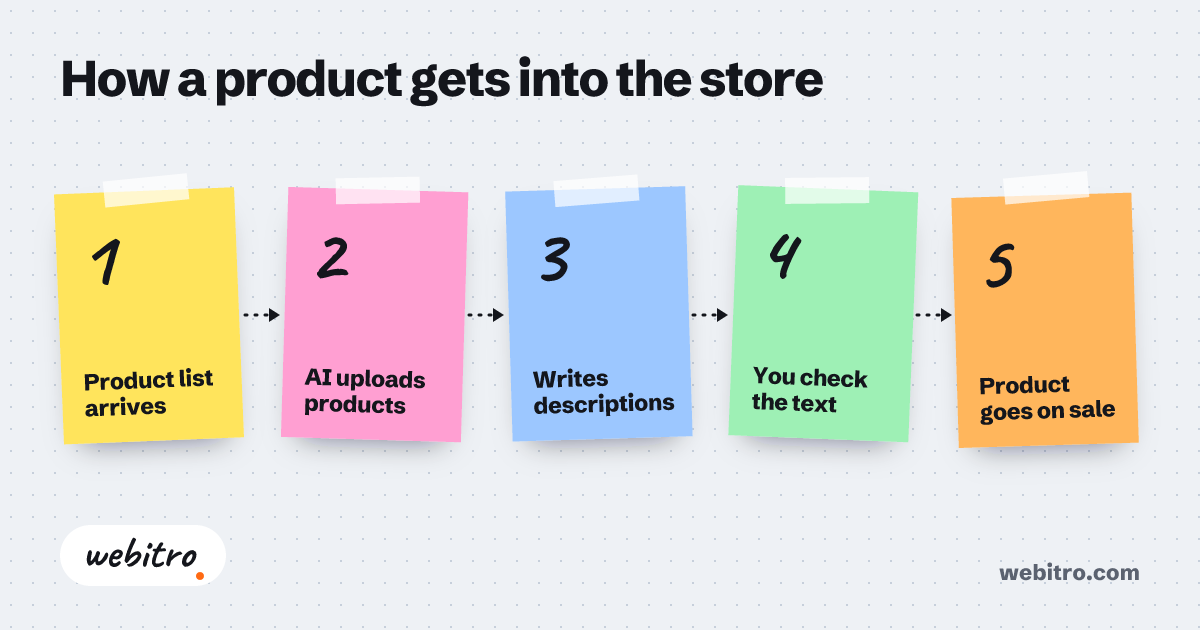
- In a headless setup the storefront and the commerce engine are deployed separately, so storefront changes ship without touching order logic.
- Integration work with ERP, PIM, warehouse and CRM systems typically takes a larger share of a headless budget than storefront design.
- Hosting, licences and maintenance continue monthly after launch and are rarely included in the initial build quote.
- A hosted platform is cheaper for a single-channel shop, while headless pays back when content volume and channel count grow.
Video summary of this article
Watch this video on its own page
Video transcript
The article explains what drives headless ecommerce development cost for a United Kingdom retailer.
Headless separates the storefront from the commerce engine holding products, prices and orders. A connector joins them, so storefront changes ship without touching order logic. It suits heavy content, several channels or a fast changing catalogue.
The licence is cheap; custom front end work, data modelling and connections move the number. Scope creep is the usual reason a quote overruns.
System connections usually add more to the budget than storefront visuals. Each connection needs field mapping, error handling and an outage plan. Testing payment edge cases, tax, refunds, stock and courier sync needs its own budget.
Hosting, licences, monitoring and release maintenance continue monthly after launch. A hosted plan is cheaper for a small single channel shop. Headless pays back when content, channels and traffic grow.
The full details are in the article.
If you are weighing a template builder against a custom build, our comparison of AI ecommerce website builder vs custom covers where each option stops scaling.
What does headless ecommerce mean for a UK shop?
Headless splits the storefront shoppers see from the commerce engine holding catalogue, stock and orders, so each side can be built, hosted and changed on its own.
Headless means the shop front and the admin behind it stop being one product. The front end can be a fast, custom site; the commerce engine handles catalogue, stock, tax and orders. Between them sits an API that passes data both ways.
For a UK retailer this matters because storefront changes no longer wait on a platform release cycle. You can add a buying guide, a trade portal or a new country page without going near checkout. It also means two systems to host, patch and watch, which is where running costs creep in.
It is not a decision to take lightly. Headless suits teams with heavy content, several sales channels or a catalogue that changes weekly. A six-product shop selling through one channel rarely needs it, and pretending otherwise wastes money.
What drives the price of a headless ecommerce build?
The price is set by how much custom front-end work, integration and data migration sits behind the storefront, not by the licence itself.
When buyers ask about headless ecommerce website development cost in the UK, the honest answer is that the software is the cheap part. The money sits in custom front-end build, data modelling and the connections to systems you already run.
Four things move the number: how many page templates you need, how many systems have to talk to each other, how much data must migrate, and how much of the front end is genuinely bespoke rather than a repeated pattern.
Scope creep is the usual reason a quote overruns. A quick faceted search, a trade-only price list or a loyalty tier added after the data model is frozen can add weeks of unpicking and rework.
How does the cost break down across the project phases?
A headless build runs through discovery, design, front-end and back-end work, integration, migration, testing and launch support, and each phase carries its own share of the total.
Discovery covers the content model, the channel list and the integration map. Design then works in components rather than page-by-page mockups, which keeps the build cheaper later.
Build splits in two: the storefront, and the commerce layer, which often means configuring an existing engine rather than writing a new one. Integration, migration and testing follow, then a support window around launch.
Testing deserves its own line in any quote. Payment edge cases, tax rules, refunds, partial stock and courier sync all need proving before real traffic arrives. Teams that trim this phase usually pay for it twice.
Does the front-end framework change what you pay?
Yes — the framework changes build time, hosting model and how much support work your team faces after handover.
A React-based framework with server rendering is the common pick for UK teams, and it keeps hosting options open. A heavier framework can shorten development if your own developers already know it well.
Personalisation, advanced search and rich product configurators usually push the front end toward custom components. That raises the build, and it raises the maintenance bill too.
Ask who maintains the site after handover before you sign anything. A framework your team can read is worth more than a fashionable one, because every future change is priced against how easily someone can work in it.
Which integrations quietly add to the bill?
Payments, ERP, PIM, warehouse and CRM connections usually add more to a headless budget than any visual feature on the storefront.
Every connection is a small project. Payments, address validation, ERP stock, PIM content, warehouse dispatch and CRM records all need field mapping, error handling and a plan for when one side goes down.
The quiet budget eaters are the ones nobody puts in the brief: trade pricing, gift cards, subscription billing, returns portals and multi-currency tax. Each looks minor on a slide and takes real days to build and test.
Legacy systems are the wildcard. An old ERP with no usable API can turn a two-week connector into a much longer job, so get that checked during discovery rather than after the contract is signed.
What does it cost to run a headless store after launch?
Running costs come from hosting on both sides, monitoring, third-party licences and release maintenance, and they continue every month after go-live.
Headless does not remove running costs, it redistributes them. You pay for hosting on the front end and the commerce engine, plus CDN, search, monitoring and someone to apply framework updates when security patches land.
Licences for the commerce engine and content system are usually billed monthly. Support retainers cover releases and small changes. Budget for all of it before committing, because these costs outlast the build by years.
A useful habit is to write the first year of running costs next to the build price. Buyers who do that rarely get surprised in month four, when the first round of dependency updates arrives.
Is headless always more expensive than a hosted platform?
Not always — a small catalogue on a hosted plan is cheaper to start with, but headless pays back once content, channels and traffic volume grow.
A hosted plan gets a small shop live for less, and for plenty of businesses that is the correct call. Headless starts earning its keep when you sell through several channels, publish constantly or hit platform limits on checkout logic.
Compare total cost over three years, not the invoice on day one. Add the price of replatforming later if the hosted option stops fitting, because that move is rarely cheap or quick.
If you are weighing a template builder against a custom build, our comparison of AI ecommerce website builder vs custom covers where each option stops scaling.
How do you scope a headless project so the budget holds?
Freeze the component list, the channel list and the integration list before build starts, then deliver in phases with a working storefront early.
Three lists decide most of the budget: the pages and components, the channels you sell through, and the systems that must connect. Anything outside those lists becomes phase two, and saying so out loud protects the timeline.
Get a working storefront live early with a narrow product range, then widen it. Data problems surface while they are still cheap to fix, and stakeholders see something real rather than a slide deck.
Keep the content model in your own hands. If editors can publish a landing page without a developer, you spend far less on change requests through the first year.
How do you get a costed headless proposal from Webitro?
Send your catalogue size, current platform and the systems that must connect, and we return a scoped proposal with phases and a fixed price for each one.
We scope headless builds from your catalogue, your existing platform and the integrations you actually need. You get phases, written assumptions and a fixed price per phase, so the spend is visible before anyone writes code.
Our ecommerce website development work covers the storefront, commerce engine setup and the connectors around it, delivered working rather than as a handover document. Smaller starting points sit in our packages if the scope is still loose.
Call +90-551-980-16-46 or send the brief through the site. Bring your product count, your busiest trading periods and the systems your team already uses, and the first conversation gets specific fast.
Our ecommerce website development work covers the storefront, commerce engine setup and the connectors around it, delivered working rather than as a handover document.
Frequently Asked Questions
How long does a headless ecommerce build take?
It runs in phases, and the storefront normally goes live before the last integration lands. Scope sets the pace far more than the technology does.
Do we need our own developers to run it after launch?
Someone has to own releases and framework updates. Either keep a developer close to the project or put a support retainer in place before go-live.
Why do two quotes for the same brief differ so much?
Usually the brief is thinner than it looks. One studio prices exactly what is written, the other prices what a real launch needs, including testing, migration and support.
Is headless worth it for a small UK shop?
Only with a second channel, heavy content or a fast-changing catalogue. Otherwise a hosted plan will do the job for less.
Can we move in stages instead of rebuilding everything at once?
Yes. Plenty of teams put the storefront headless first and leave checkout on the old platform until the next phase.